Water
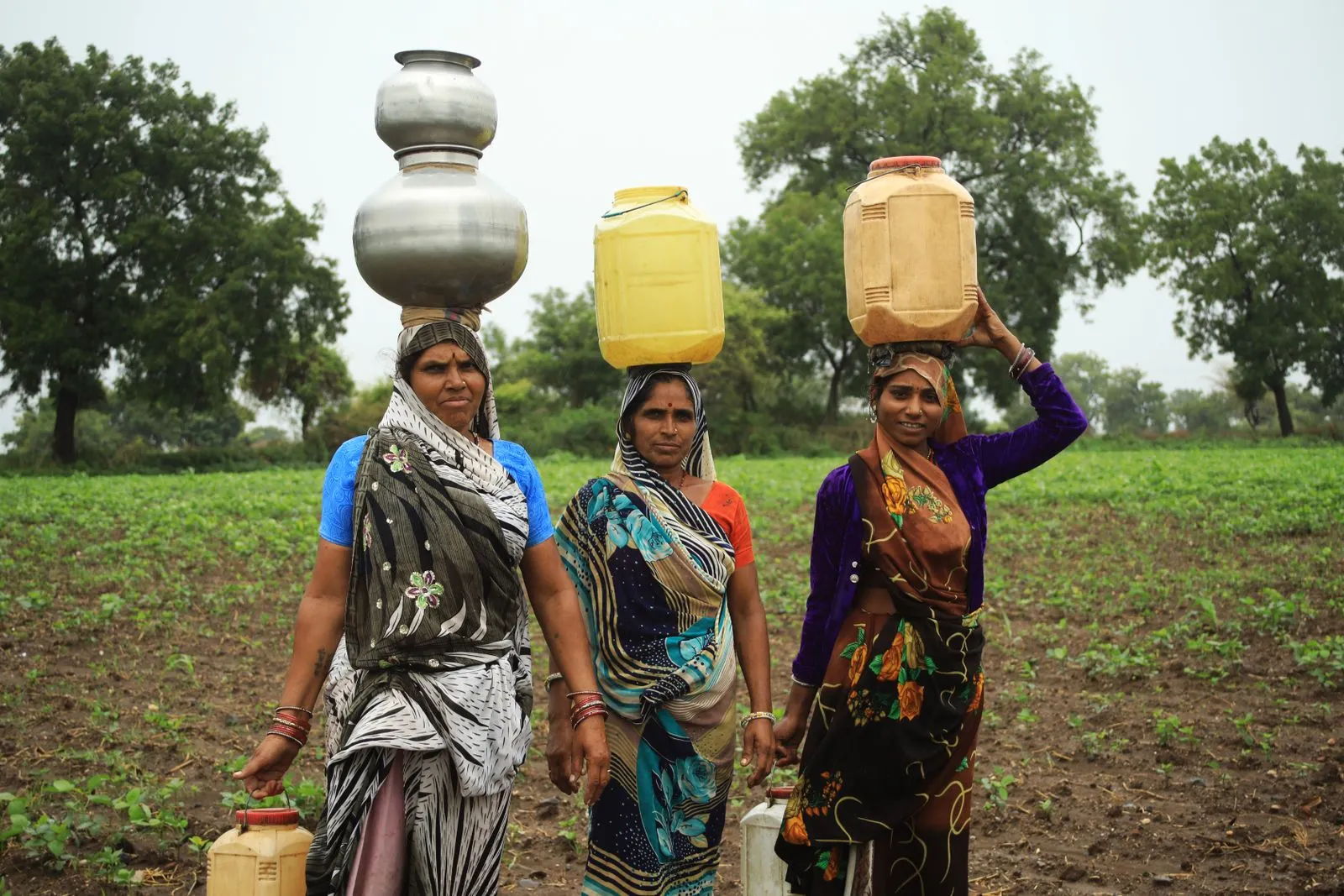
Clean water, close to home.
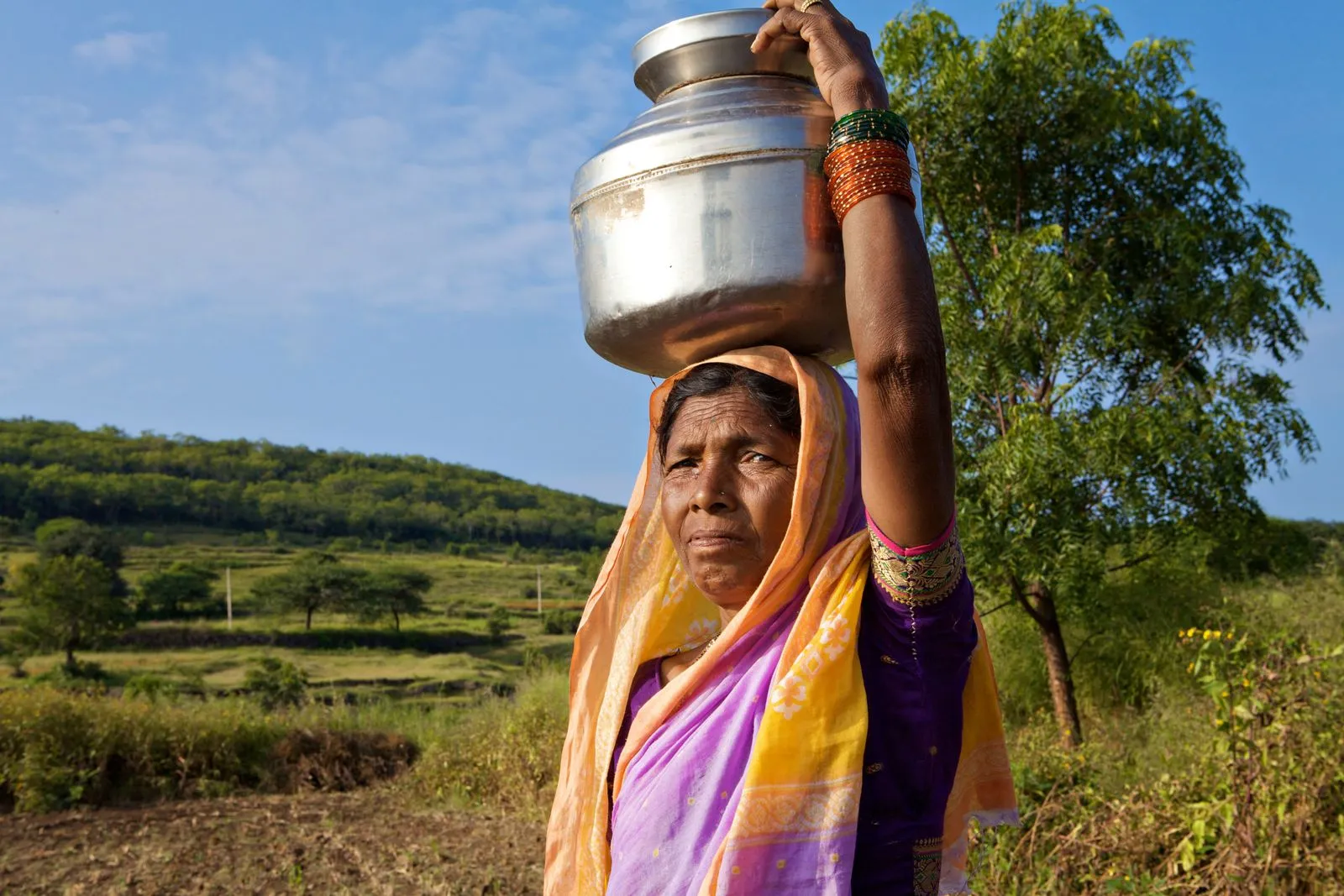
Where water is far or unsafe, women and girls pay for it with their time and children pay with their health. We plan to fix what is broken first, then build what is missing, and keep it working.
The method
Many rural water points stand broken for want of a small part or a trained hand. So our first question in any village is what already exists and why it stopped.
What a project looks like
- A survey of every water point in the village: working, broken or unsafe.
- Repairs first. New work only where repair cannot serve everyone.
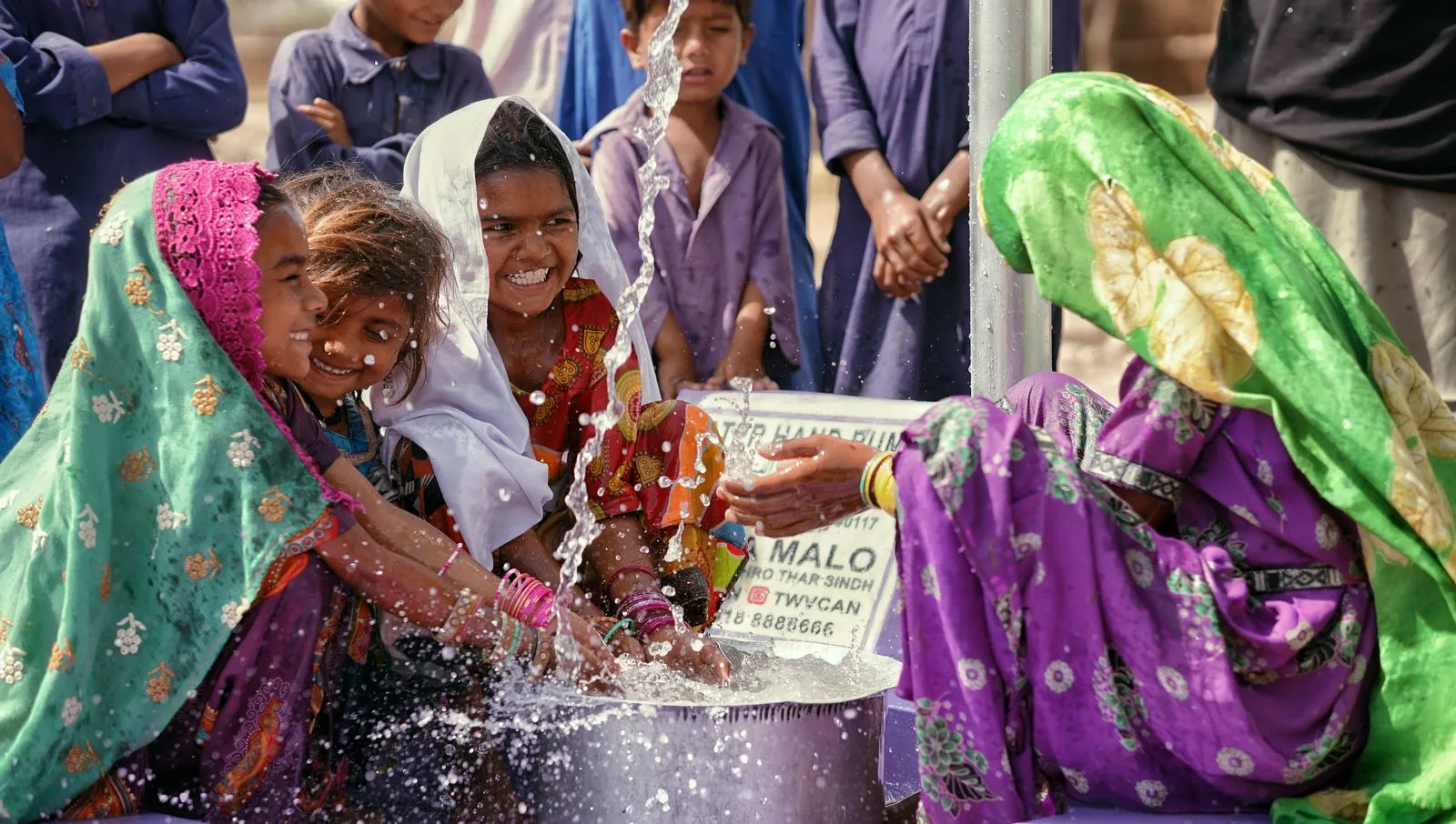
- Drinking water and handwashing points at the school.
- Water tested before and after, and the results shown to the village.
- One or two local people trained and paid to maintain it, with spare parts on hand.
What we will publish
- The location and a photograph of every water point we touch.
- The test result and the cost.
- Whether it was still working when we went back after a year.
Water and skills meet here
The person who keeps the pump running has a job.
Pump and filter upkeep is one of our six skills courses. Graduates maintain the water points we repair, and are paid by the village and by us for the first year.
The evidence
Why we chose this.
Grouping children by what they can already do, instead of by age, raised test scores in six randomized evaluations across seven Indian states. The children furthest behind gained the most.
J-PAL, Teaching at the Right LevelIn a trial across rural India, more than 90 percent of households took up treated drinking water delivered to the home when the price was low, and kept using it for the length of the study.
University of Chicago, The Value of Clean WaterWomen in Delhi who were offered a subsidised stitching course were almost five percentage points more likely to be in work afterwards than women who were not. Finishing the course mattered most.
Learning and Earning, a randomized evaluation in IndiaGet involved
Know a village or school without safe water?
Astha is being built now. People who join in the first year shape what it becomes, and their names stay on the record of how it began.
- Give timeTeach, mentor, translate, photograph, keep books.
- Point us to a needA school without readers. A village without a working tap.
- Fund a projectTell us what you would back. A trustee replies with the project, its budget and how to give.