Education
Every child reading by ten.
Many children sit in class for years and still cannot read a simple paragraph. The fix is known, it is cheap and it works. We plan to do it well, in one place at a time.
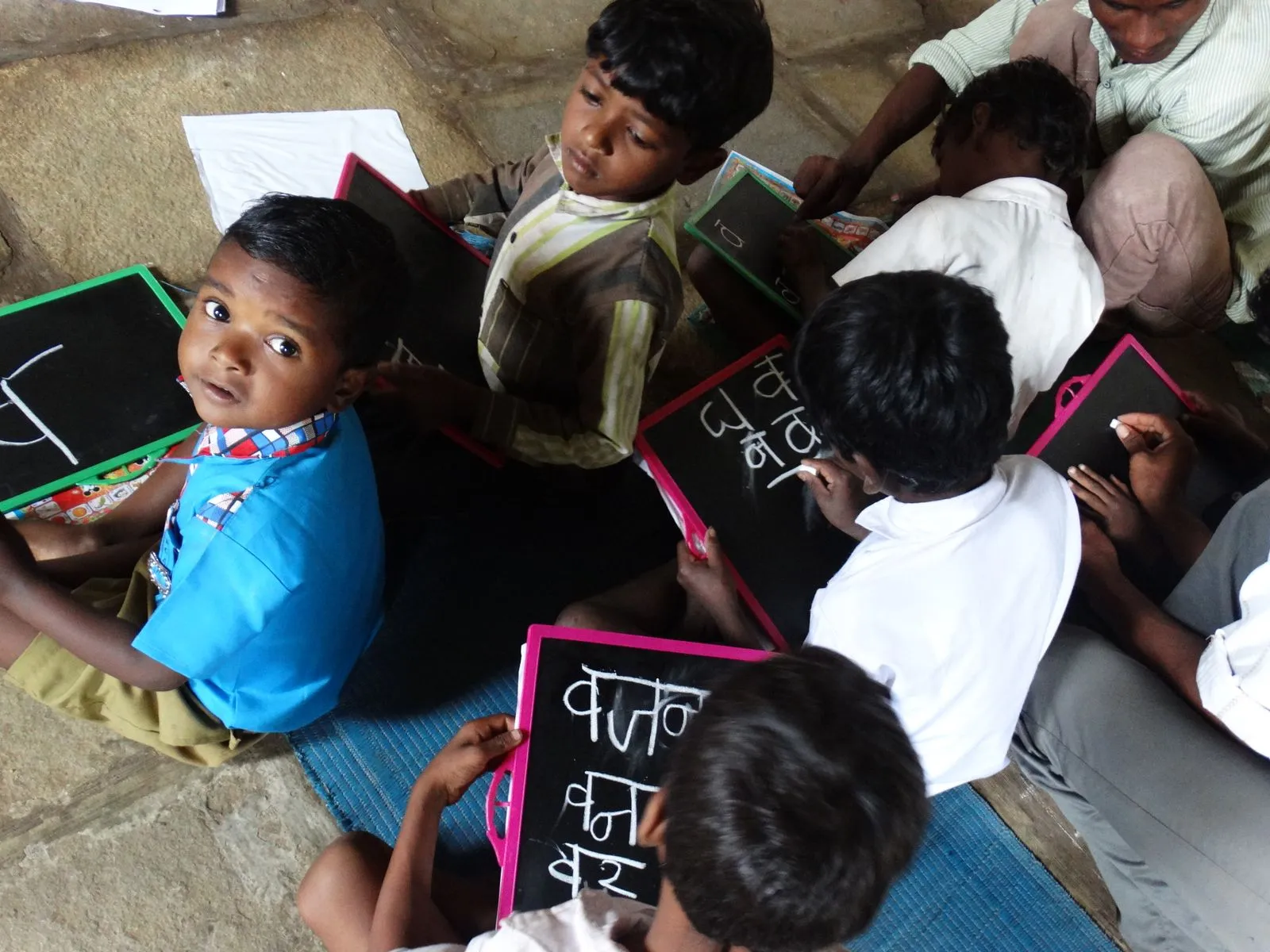
The method
Children are tested one by one with a short reading and arithmetic check. They are then grouped by what they can do today, whatever their age or class. A tutor works with each group for about an hour and a half a day, with activities made for that level. Every few weeks the children are checked again and move up.
This approach was developed in India by Pratham and has been tested many times. We did not invent it. We intend to run it carefully and report honestly.
What a project looks like
- One cluster of schools or one neighbourhood, for one school year.
- Tutors hired from the same community, trained for two weeks and mentored every week.
- Books and materials in the language the children speak at home.
- A reading and arithmetic check at the start, the middle and the end.
What we will publish
- How many children could read a paragraph at the start and at the end, school by school.
- What each child cost.
- What we would do differently next time.
Beyond the first year
What follows reading.
Small libraries
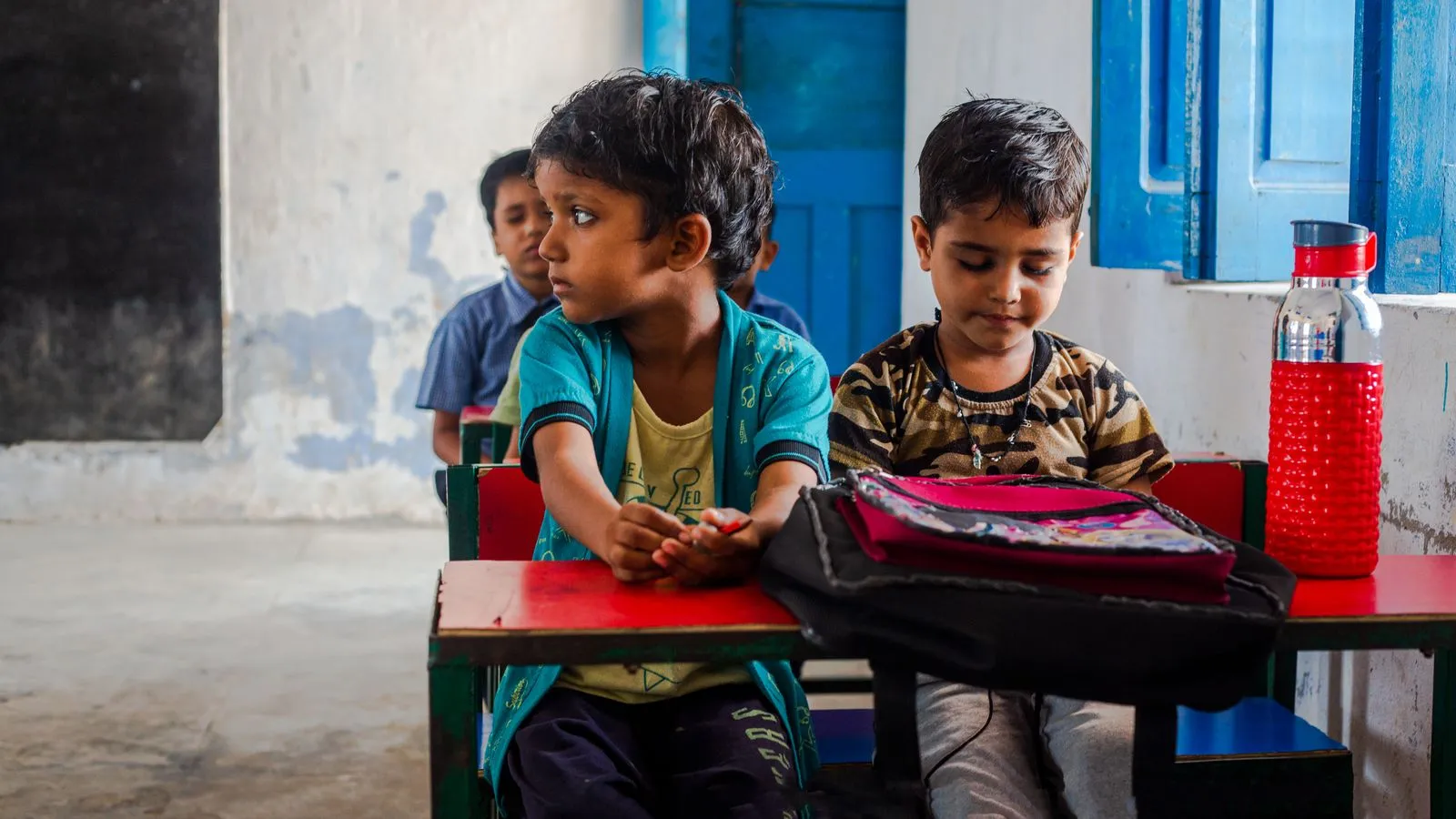
A shelf of good books in the home language, in every classroom we work in, with a child in charge of lending.
Eye tests and glasses
A child who cannot see the board cannot learn from it. Screening at school and free glasses for those who need them.
Girls who stay
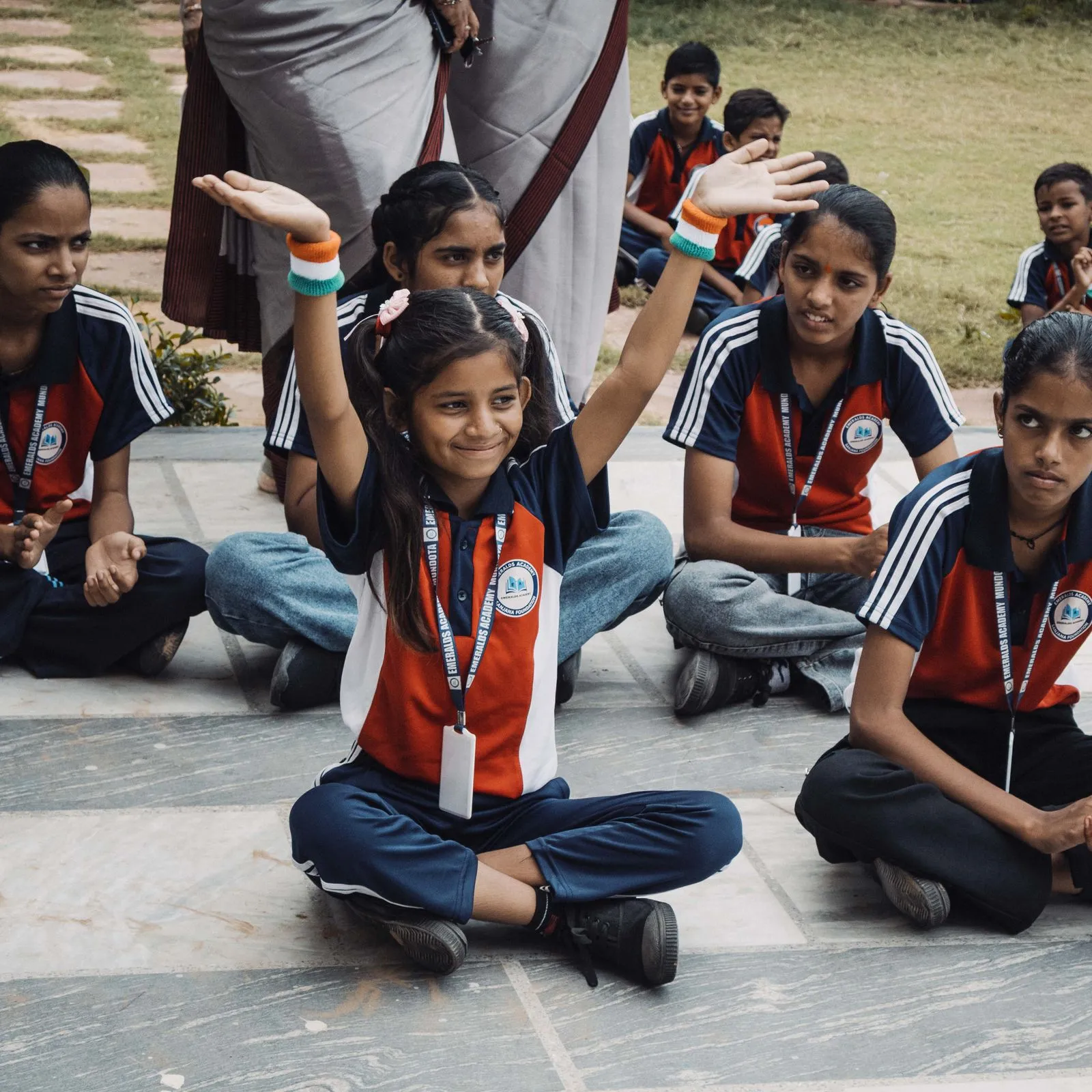
Help with the reasons girls leave after primary school: distance, safety, cost and time spent fetching water.
The evidence
Why we chose this.
Grouping children by what they can already do, instead of by age, raised test scores in six randomized evaluations across seven Indian states. The children furthest behind gained the most.
J-PAL, Teaching at the Right LevelIn a trial across rural India, more than 90 percent of households took up treated drinking water delivered to the home when the price was low, and kept using it for the length of the study.
University of Chicago, The Value of Clean WaterWomen in Delhi who were offered a subsidised stitching course were almost five percentage points more likely to be in work afterwards than women who were not. Finishing the course mattered most.
Learning and Earning, a randomized evaluation in IndiaGet involved
Know a school that needs this?
Astha is being built now. People who join in the first year shape what it becomes, and their names stay on the record of how it began.
- Give timeTeach, mentor, translate, photograph, keep books.
- Point us to a needA school without readers. A village without a working tap.
- Fund a projectTell us what you would back. A trustee replies with the project, its budget and how to give.